Cultural & Historial Information on Kratom
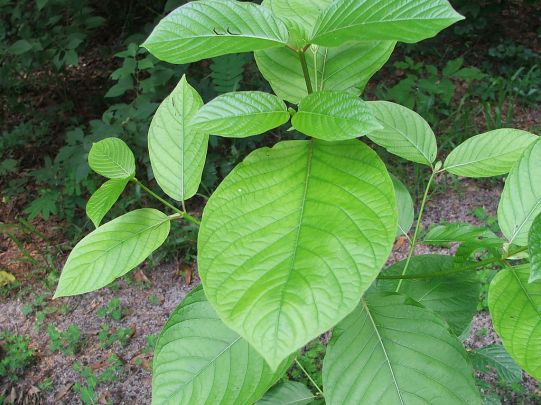
In the forests and fields of Southeast Asia are the Mitragyna speciosa trees that produce leaves known around the world as kratom. Countries like Thailand, Indonesia, Malaysia and others – have been growing and cultivating the plants for at least 2,000 years. Used for its medicinal properties, kratom has been part of many cultures but today is illegal in some of the countries that produce the bulk of the world’s supply.
Kratom was first outlawed in Thailand in 1943. Opponents of these laws claim the ban had less to do with public safety and every thing to do with a counter balance of power and money as the opiate trade paid the government’s corrupt hierarchy well. Kratom was looked at as competition for opiates, and was banned by one of the largest producers of the plant, Thailand, from then until today. The Kratom Act 2486 was drafted on that day and has held strong since.
The early 1940s was a time of political unrest in Thailand. Blue collar workers would spend the majority of the day hard at work, and herbal remedies like kratom helped them to get through their day. It was typical in those days for laborers to work seven days per week. During this time, arrests and governmental pressure were common place and kept many people from “stepping out of line” or questioning the status quo. Corruption was rampant among political figures.
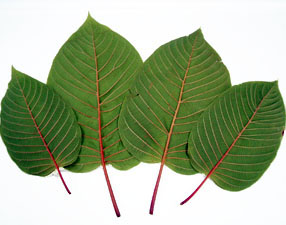
Kratom in Thailand in the mid-century was looked at as the “poor man’s marijuana.” A natural herb that provided much needed relief to the common worker, it was much less expensive than the alternative marijuana. It was looked at as the working man’s drug, so much so that it became a symbol of work ethic and was lauded by families of the working man’s soon-to-be, and others. Being a “kratom chewer” meant the man must work hard and therefor be a good provider to the family. The plant was a sort of symbol of working people throughout the country. It was known to be non-addictive, readily available, and effective at the tasks at hand.
When people started really leaning on kratom to kick their opiate habits, the government took notice. All of a sudden kratom was villified among top generals and government officials. Soon after 1942 when the East Asian War broke out, things got worse. A tightening of financial resources led the government to hold a solid grasp on the kratom market and completely ban it’s production or possession. During a meeting among the House of Representatives one Thai official was quoted as saying “Taxes for opium are high while kratom is not currently being taxed. With the increase of those taxes, people are starting to use kratom instead and this has had a visible impact on our government’s income.” It was obvious to all involved, the less kratom available the more the opiate industry would benefit.
Interestingly, although illegal in a country not known for its friendliness to drug pushers, cultivation of kratom has continued to be commonplace. Reputable U.S. vendors have received steady supplies of kratom for years now and it seems the miraculous plants have had no trouble finding their way to our neighborhoods. A life saver for some, a benefit to many, kratom has found its way into the culture of Americans dealing with dreadful amounts of pain and opiate addiction. Illegal in 5 or 6 states, the crushed leaves of the Mitragyna speciosa are still legal in the majority of the U.S.
It is said that at the time of Thailand’s banning of kratom, in the early 1940s, kratom was already known to have been used traditionally for 3,000 years. Native cultures referred to the herb as “ketum” or “thom” and relied on it for easing of pain or bursts of energy. Since the plant grows throughout the entire region it is tied into various cultures that encompass the country. Manual laborers such as fishermen, farmers, tree tappers, and other blue collar workers have seemed to have incorporated kratom into their daily lives. It is as normal as the American with a cup of coffee in hand, or a brit sipping a wee glass of tea.
 Buy Kratom Online