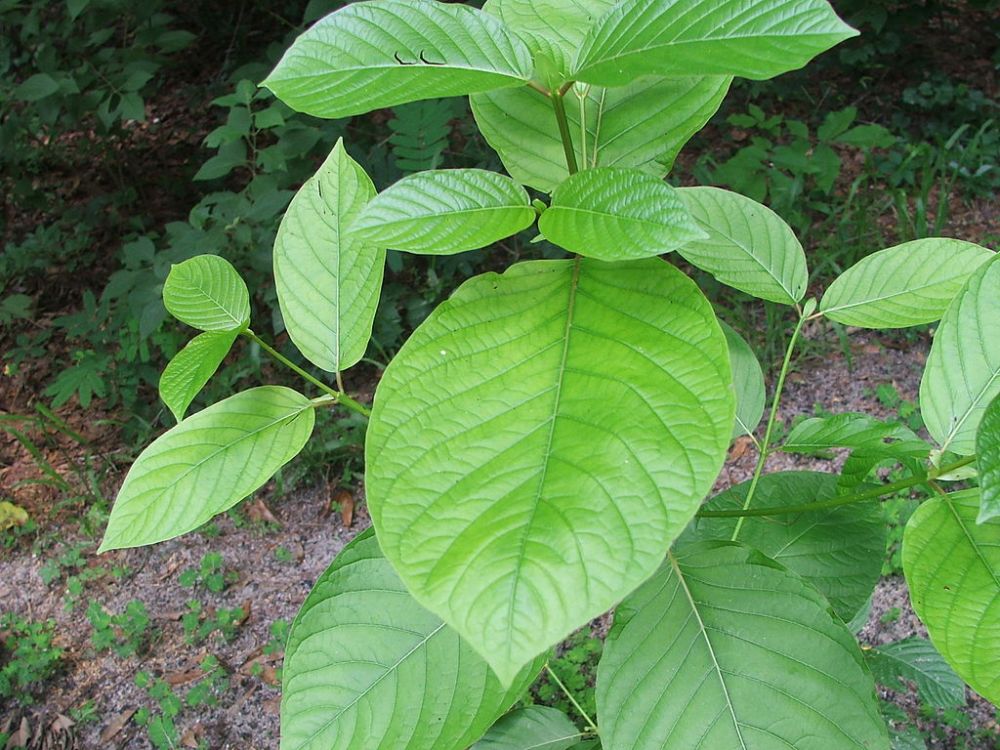
The effects of kratom on those dealing with a lot of pain seems promising. Many people on kratom related forums are asking questions related to pain. How can it help? Who has used it for pain? These kinds of questions are common. In order to really understand the benefits it is important to understand where pain comes from and what causes this miracle herb to relieve some of that pain.
When someone sustains an injury the nerves communicate that problem to the focal sensory system via the spine. Neurons start reacting and communicate to the mind that you are having a problem and the result is pain. Endorphins are released and they attach themselves to different receptors in the brain. These are commonly referred to as opioid receptors and include things such as: mu, delta, and kappa opioid receptors. Once these endorphins reach the receptors the pain diminishes a bit or sometimes it goes away entirely.
The Mitragyna speciosa tree produces the leaves that contain the alkaloids necessary to attach to the opioid receptors. Particularly powerful, 7-hydroxymitragynine and mitragynine are the alkaloids that deliver a punch of relief. Binding to the mu and delta receptors, these alkaloids bring relief to many who suffer from pain. As a result, users who experience high levels of pain or mental anguish tend to reach for kratom with a strain that is high in both mitragynine and 7-hyrdroxymitraginine.
When someone is in constant or severe pain it can be very difficult (if not seemingly impossible) to find a remedy that really works besides strong pain medications prescribed by doctors. Along with the negative side effects of powerful prescription drugs comes an additional threat of addiction potential. Kratom is not addiction proof but as with most things – responsible use and moderation normally don’t carry the potential for abuse compared to prescription drugs.
Another roadblock to pain relief for some people is a lack of health insurance or simply a lack of proper prescription. Since powerful opiod drugs are becoming such an epidemic in America (and beyond) doctors here are issuing fewer prescriptions for the dangerous drugs. Unfortunately the consequences of this means that some people are under prescriped pain killers because of the doctor’s hesitancy in issuing more of these drugs into the streets. They are often manipulated by addicts and as a result they don’t issue prescriptions for every one who claims they are in pain.
Most doctors have never even heard of kratom. A recent article from a kratom supporter at a pain management conference mentioned that of all of the doctors questioned about the miracle herb, only a handful had even heard of it. Patients are reported to have given rave reviews of the herb, especially for serious pain conditions such as cancer. Out of over 5,000 regular kratom users, 100% of people claimed serious relief for pain caused by cancer. Over 1,700 people claim to use kratom for back pain specifically and out of all of those questioned 92% claimed the herb was very effective in pain management.
Percentage of Users Who Rated Kratom “Very Effective” for Pain Management
-
100% Cancer
- 97% Multiple Sclerosis
- 94% Irritable Bowel Syndrome
- 93% Migraine
- 93% Fibromyalgia
- 92% Rheumatoid Arthritis
- 92% Back pain
- 92% Acute Pain
- 91% Lupus and other autoimmune diseases
- 90% Osteoarthritis
- 90% Neuropathy
- 88% Trigeminal Neuralgia
- 79% RSD or CRPS
-
76% Ehlers Danlos syndrome
Online forums are a great place for personal experiences with kratom. Typical responses are as follows:
“I discovered Kratom from an article at Forbes online and it has been a life saver. There is way too much misinformation out there. I spoke with a doctor and there is virtually no side effects. In large amounts over a long period of time you may experience mild constipation. If you ingested too much, you would simply throw up. It’s no more dangerous than caffeine. If you already have trouble with addiction, common sense would tell you that you’re more likely to take too much of anything. Kratom has been a great alternative to pain medication for me. I was prescribed all kinds of pain medication for my heart attack , but found them to be debilitating and they made me irritable. Kratom takes care of my pain without any of the problems that I experienced with prescription medication. As with anything, you want to find a reliable and knowledgeable vendor which I found through that Forbes article. Google “Online Kratom” and do some reading or asking if you have questions. Always double check your sources of information and don’t just believe the first thing you read. It’s kind of ridiculous to make an opinion based on no personal experience. I give Kratom 5 stars all around for the help it’s given me.”
“I took kratom for a year before I solved my back pain. Without Kratom, I would have been unemployed and I probably would have lost every single friend I had because my pain was horrible (lots of crying without kratom). Prescription pills were making me act crazy so I decided to use Kratom instead. Most people that had bad experiences with Kratom that you read about in the media were taking other illegal substances and were looking for a high – not medicine. EDITED The reason Kratom hasn’t been outlawed in the U.S. is because no one has died from an overdose. You can’t overdose on kratom and it isn’t addictive like many prescription pain killers. Just be smart and take it responsibly.”
These kinds of responses are found on many kratom forums throughout the internet. While some people are certainly skeptical I can’t really recall reading comments from anyone who has tried it and were totally let down. There seems to at least be some level of relief. Although kratom has not been approved by the FDA it has recently come to the attention of the DEA who decided to lift any threat of a ban on kratom. The herb induced over 140,000 people to sign a petition to the White House and contact their governmental overseers.

The American Kratom Association is very involved in lobbying on behalf of the derivatives of Mitragyna speciosa. Congressmen have been involved in fighting the ban. Susan Ash, founder of the association, is a popular face among those in the fight for kratom. “We hope to see a lot of congressmen and women sign onto this,” she said, prior to the DEA’s announcement of possibly banning kratom back in October of 2016. “The letter asks that the director of the Office of Management and Budget and the acting director of the DEA delay a final decision on the placement of kratom as a Schedule 1 subatance, provide ample time for public comment on this significant decision, and resolve any other inconsistencies with other federal agencies.” Well they must have listened because along with removing the proposal to ban kratom they seem to no longer have it in their cross hairs.
 Buy Kratom Online