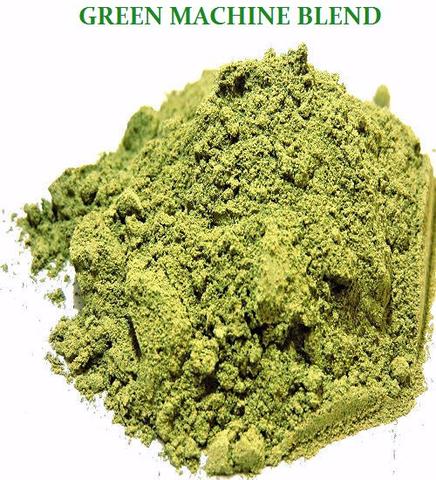
Kratom is a miraculous herb that has been providing relief to people for many centuries. Interestingly, many of the countries that produce the bulk of the world’s supply have outlawed the herb for many years. Normally this would be a red flag and some people would be inclined to believe that it was made illegal for good reason. Maybe it’s unsafe or something along those lines. Well, it seems that there may be another explanation for the banning of kratom in various countries.
When the opium wars were going on between China and Great Britain there was a common desire of the brits to want to trade their tea for opium. China had banned opium prior to this. The first of the opium wars was from 1839-42 and was between China and Britain. The second was the Anglo-French war in China and lasted from 1856 to 1860. As a result of these wars the Chinese were forced to trade with the other countries of the world. The first war resulted in give treaty ports at Shanghai, Canton, Ningpo, Fuchow, and Amoy. The second way resulted with more than 80 additional treaty ports set up throughout China. It also allowed all foreigners traveling rights throughout the country.
Although native to Thailand, the plant is banned throughout the country. The herb used to be a staple of local culture and was looked at as the “working man’s herb.” With long work hours and hard work came exhaustion and pain, and kratom was used for centuries to relieve some of those ailments. The family of soon-to-be brides would respect that the future husband was a kratom user because it was a sign that he worked hard and would therefor be an excellent provider.
The Thai government eventually started to tax the shops involved in the opium trade and of course this meant the price went up. A result of that price increase caused many people to turn to kratom to relieve their pain but also to assist with the withdrawals from regular opium use. Of course this meant that opium sales were down and government’s share of related taxes started to diminish as well. So what did they do? They passed The Kratom Act of 1943, banning the planting of kratom anywhere in the country. A few decades later, in 1979, kratom was included in the Thai Narcotics Act along with cannabis and mushrooms, reducing sentences and punishments from those guilty under the act.
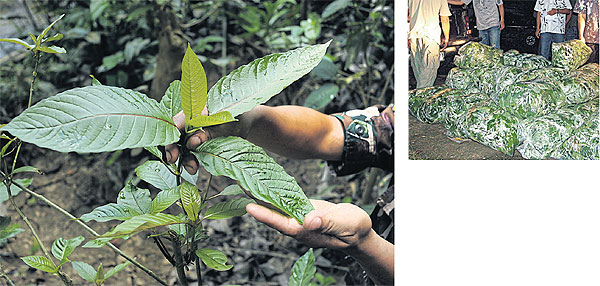
Traditional uses of kratom range from chewing the leaves to grilling and eating the same foliage. Mixed with chili paste for a pickup snack or looking for opiate withdrawal relief are among other traditional uses of the herb. Because of Islamic principals, many people in the southern region of Thailand refrain from any alcohol or drug use. Home concoctions of kratom leaves mixed with Coca Cola, ice, and cough syrup are common among the regions of Thailand where kratom is cultivated in large amounts. The Transnational Institute advocated legalizing kratom in 2011 stating that “Criminalization of kratom is unnecessary and counterproductive given decades without problematic use.”
It is interesting to many that a wild plant in the jungle can produce the type of alkaloids needed to attach to pain receptors and cause relief for people. Buying kratom online allows for a quick solution for many dealing with daily mental anguish or light to severe pain. There seems to be a consensus – kratom works for many. It helps. It may not be the cure all for every one, but the effects on many seem to prove that it is beneficial for short term relief. It is highly recommended that you only purchase the herb from reputable vendors who have a proven track record of delivering a safe and unadulterated product to their customers.
 Buy Kratom Online