Thanks to over 140,000 signatures of solidarity The American Kratom Association was able to demonstrate the level of support of kratom. Congressmen and state senators penned a letter to the DEA. It may have been the first time such an outpour has occurred over the criminalization of an herbal substance as if it were a hard drug. In fact, the DEA was going to schedule kratom as a Schedule 1 narcotic – the same class as heroin and all of the other hard drugs known to man.
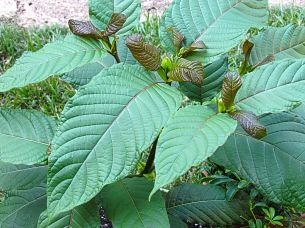
If you were to poll a group of people involved with this herb you would likely can many reasons for support. Having its roots in ancient Asian medicine, kratom has been a remedy for pain and anxiety for centuries. It is written about it in ancient texts. Traditions of cultivating the herb have been passed down from generation to generation. The production has led to higher earnings in certain farming communities and therefor improved quality of life for many of those people. Things have really started to pick up as the herb has gained popularity and as a result the conditions in cultivation areas should continue to improve.
Supporters of Mitragyna speciosa scoff at the idea of adding the plant to the rest of those on the DEA’s schedule 1 list. Susan Ash, who founded the American Kratom Association summed it up best when she stated “I think the quality of the comments and the quantity of the comments show that kratom really does have the potential and that the three to five million people that are consuming kratom would suffer greatly if it becomes a Schedule I controlled substance.” An estimated 3-5 million is many more than what some people assumed. James Dixon, a regular kratom buyer at a local shop in Seattle commented that using kratom was more of a life-saving situation for him than anything else. “I started experiementing with and therefor becoming addicted to opiates when I was a very young teenager here in Seattle. The stuff was easy to access and the price was cheap back then. They hooked me hard for years and years. Kratom has helped me step away from that and really deal with the addiction.”
A very detailed report on kratom was written by drug addiction expert John Henningfield from the John Hopkins University. Completed it totals 127 pages and is one of the definitive studies of the herb. Mr. Henningfield was hired by The American Kratom Association in order to help shed some light on the DEA’s proposal to ban the substance from the American consumer. The report clearly states that most people who abuse hard drugs agree that kratom falls short of producing any of the powerful effects that are the result of prescription drugs and others hard opiate derivatives. This information is attained from online forums and other places that drug abusers share information. The report also states that out of the 3-4 publicly documented deaths that were initially thought to have involved the consumption of kratom, all of them also had other illegal substances involved with the death.
Someone attempting to get clean from opiates will have to deal with withdrawal symptoms if they have been addicted for any length of time. The gravity of these symptoms can be hard to deal with and can cause people to get very sick. There are different strategies for battling the addiction but kratom seems to work quite well compared to many traditional methods of relief. The report showed that in order to produce a similar stimulant or opioid-type effect in humans compared to the rodents in the test, the dosage level would have to be so high that it is almost unreal to consider it a possibility. This means that effects from kratom are not nearly as strong as some would like them to be.
There are many reasons why people abuse drugs and other substances. An improper balance of biochemical properties often plays a role in determining whether or not someone will become an addict. Seeking external sources of pleasure or related feelings is sometimes attempted by introducing foreign agents to the body, i.e. drugs, alcohol, coffee, etc. The body is looking to mimic previous experiences of the release of chemicals in the brain that told the user “ah yes, you did good.” Many recovering addicts can be found creating new, rewarding experiences such as eating healthy good, practicing meditative arts such as yoga, exercising more and many other things.
A University of Florida professor says he believes it has a profound potential for medical benefits. He regularly conducts studies with lab rats and has determined there are many benefits. On the other side of the topic some politicians are opting out of the belief that it can bring good. “The problem is that because it is completely unregulated that when you buy one of those cute packages… you don’t know if it contains kratom at all.” says Kristen Jacobs, a Florida state representative who is making every attempt to ban the herb.
All readers are recommended to only purchase from trusted kratom vendors like PA Botanicals.
 Buy Kratom Online