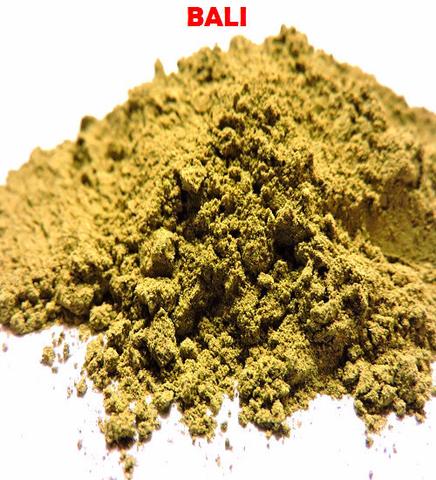
Southeast Asia is known for producing large Mitragyna speciosa trees for centuries. These trees are harvested in some of the most remote regions of the area. Thailand, Indonesia and the Philippines are just some of the countries that cultivate this tree. The leaves are known as kratom and when ground they are used for a variety of purposes. Teas, tinctures and many other ways have been used for centuries to enjoy the herb.
Kratom users throughout the country often have strong feelings towards advocating patient rights and they are against the quick banning proposals by government without what they believe to be medical evidence or testing of the effect of this Asian herb.
The Drug Enforcement Administration has had its hands full lately with plenty of issues regarding kratom and what steps were to be taken to resolve the situation. The opioid problem is well known now, and how couldn’t it be? Virtually every family in the country knows someone who is dealing with an opiate addiction, whether they know it or not. America has become a large and widespread country but interestingly there seems to be the same social problems (especially in the case of prescription opiate abuse) across all demographics. Perhaps this points to a flawed system governing it.
Dr. Oliver Grundmann brought up an interesting point when he stated that on the opposite side of the coin, the estimated 4 or 5 million people who rely on kratom will be effected greatly. People are afraid that if they couldn’t get the natural herb they rely on they may have feelings and cravings to go back to the drugs they have worked so hard getting away from.
 Buy Kratom Online